Launching a startup is an exciting yet challenging journey filled with uncertainty, experimentation, and constant learning. One of the most important milestones in this process is building MVPs (Minimum Viable Products) — a simplified version of your idea that allows you to test your concept in the real market with minimal resources.
The MVP development serves as the foundation of your startup’s success, helping you validate assumptions, attract early adopters, and catch investors’ attention. However, this crucial phase is where many startups make a costly mistake — relying on freelancers to bring their MVPs to life. While hiring freelancers might seem like an affordable and flexible option, it often leads to long-term challenges such as inconsistent quality, lack of commitment, and scalability issues. What appears to be a money-saving decision at first can quickly turn into a setback that delays your launch or damages your product’s reputation.
MVP development isn’t just another short-term project — it’s the core building block of your entire business model. Let’s explore in detail why startups should avoid freelancers for MVP development and what better alternatives they can consider.
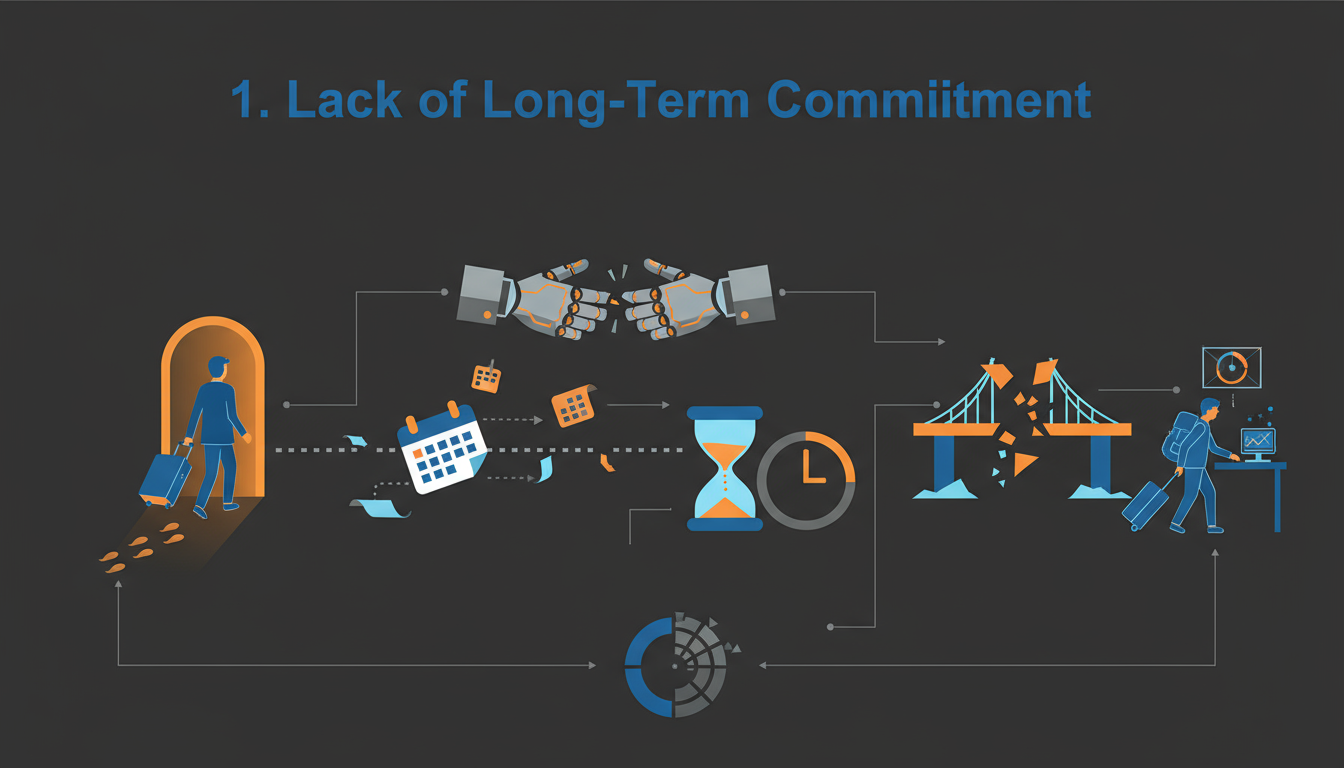
1. Lack of Long-Term Commitment
One of the biggest drawbacks of hiring freelancers for MVP development is their short-term focus. Freelancers are typically project-based workers who move from one client to another once a job is done. They rarely have a vested interest in your product’s long-term success. This becomes a serious issue for startups because an MVP is not a “one-and-done” product—it’s just the beginning of a continuous process of learning, improving, and scaling.
When your MVP development launches, you’ll need quick bug fixes, performance improvements, and new feature additions based on user feedback. If your freelancer is no longer available or has taken on other projects, you’ll find yourself stuck, scrambling to find someone new who can understand the existing codebase.
In contrast, a dedicated development team or technical co-founder remains invested in the product, ensuring that your MVP evolves into a scalable, sustainable solution.
2. Inconsistent Quality and Communication Gaps
Freelancers vary widely in skill, experience, and professionalism. While some are exceptional, many lack the structured processes and quality control that professional development teams follow. When startups hire multiple freelancers to handle different parts of an MVP development (for example, frontend, backend, and design), integration issues and communication breakdowns often occur.
Misaligned expectations, unclear requirements, and time zone differences can lead to poor coordination, missed deadlines, and inconsistent results. A feature built by one freelancer may not align properly with another’s code, creating technical debt and compatibility problems.
Moreover, freelancers might not fully understand your business goals, user journey, or brand vision—because their focus is limited to completing tasks, not building a cohesive product experience. This often results in MVP development that looks unfinished, behaves unpredictably, or fails to deliver a seamless user experience.
3. Limited Skill Set and Lack of Cross-Functional Expertise
An effective MVP requires more than coding—it demands a blend of design thinking, technical architecture, user experience (UX) strategy, and market understanding. Unfortunately, a single freelancer rarely possesses all these skills at a high level. You might find a great developer but poor designer, or vice versa. To compensate, you may end up hiring multiple freelancers, which increases coordination challenges and costs.
For example, if your MVP development needs mobile responsiveness, backend API integration, and intuitive UX—all essential components—you’ll likely have to manage different specialists. Without centralized communication or a product manager to oversee everything, the project can easily lose direction.
On the other hand, working with a small development agency or startup-focused tech team gives you access to designers, developers, testers, and strategists who work collaboratively toward the same vision. This results in a more balanced, functional, and professional MVP development.
4. Security and Intellectual Property Risks
Startups often overlook the importance of security and intellectual property (IP) protection when outsourcing MVP development to freelancers. Since freelancers typically work independently and may not use company-owned tools or repositories, there’s always a risk that your code, data, or proprietary ideas could be misused or leaked.
Without proper contracts, NDAs (Non-Disclosure Agreements), or code ownership clauses, your startup might not even legally own the MVP development that’s being built. Some freelancers reuse code or libraries from previous projects, which could later cause licensing issues.
For startups looking to attract investors or buyers, these legal and security uncertainties can be deal-breakers. A reputable agency or dedicated team, however, ensures clear ownership transfer, follows secure development practices, and keeps your product data confidential.
5. Lack of Scalability and Maintenance Support
A freelancer’s role usually ends once the MVP development is delivered. But for startups, that’s when the real journey begins. Once your product starts gaining traction, you’ll need to scale it — optimize performance, add features, integrate analytics, and handle user growth. Freelancers are rarely available for ongoing maintenance or scalability support.
Even if you manage to rehire them, delays are common because they might be committed to other clients. This inconsistency forces many startups to hire new developers who must first understand the old codebase, causing further inefficiency and rework.
In contrast, a dedicated product development partner stays with you through every stage—from MVP development launch to full-scale product development—ensuring that the product architecture supports long-term growth and user expansion.
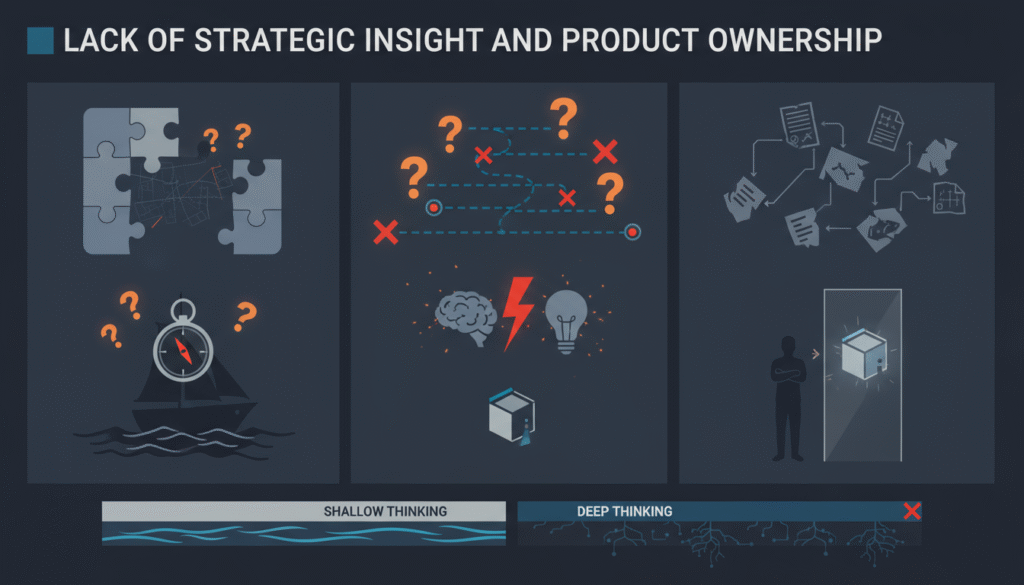
6. Lack of Strategic Insight and Product Ownership
Freelancers often focus solely on execution, not strategy. They do what you ask, but they rarely challenge assumptions or suggest better approaches based on user or market insights. Startups, however, need more than just code—they need strategic thinking, product validation, and user-centric development.
A dedicated MVP development team or agency works as a strategic partner. They help refine your idea, prioritize features, and ensure that the MVPs aligns with your long-term business goals. They’re invested in your success, not just the project’s completion.
This sense of ownership is what makes the difference between a product that merely functions and one that truly succeeds in the market.
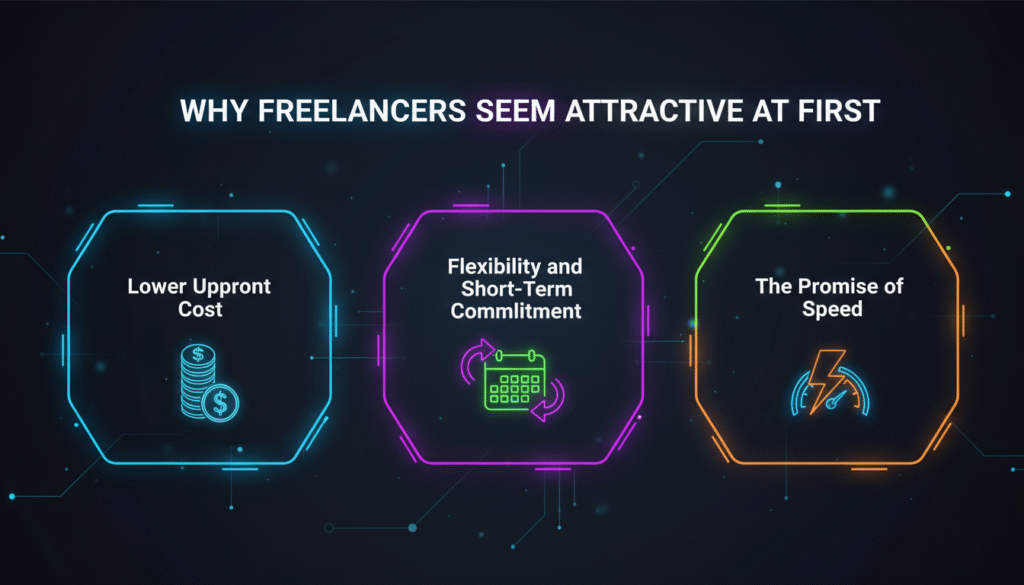
Why Freelancers Seem Attractive at First
At the beginning of a startup journey, most founders are eager to bring their ideas to life as quickly and affordably as possible. In this stage, hiring freelancers often looks like the perfect solution. They seem to offer everything a startup needs — lower costs, flexible arrangements, and quick results. However, this initial attraction can be misleading once the real work begins. Let’s take a closer look at why freelancers seem appealing at first glance.
1. Lower Upfront Cost
Budget is usually one of the biggest challenges for early-stage startups. Freelancers typically charge far less than established development agencies or hiring full-time employees. This makes them look like a cost-effective option, especially for founders who want to test their MVPs idea without major financial risk.
However, while the initial cost might be lower, startups often overlook hidden expenses that arise later — such as rework, bug fixes, or switching to new developers when the freelancer is no longer available.
2. Flexibility and Short-Term Commitment
Freelancers offer complete flexibility. You can hire them for a specific project, task, or even a few hours — and stop working with them anytime if things don’t go as planned. For new founders, this flexibility feels safe because it reduces long-term financial commitments.
But this short-term relationship also means freelancers are less likely to be deeply invested in your startup’s success. Once the project ends, they move on, leaving you without ongoing support or consistency.
3. The Promise of Speed
Many freelancers promote themselves as being able to build MVP development “in just a few weeks.” For a founder eager to launch quickly and attract investors or early users, this sounds very tempting.
But in reality, rapid development often comes at the cost of quality. MVP development built too quickly may lack proper testing, documentation, or scalability — issues that can cause bigger delays and expenses down the road when you try to fix or expand the product.
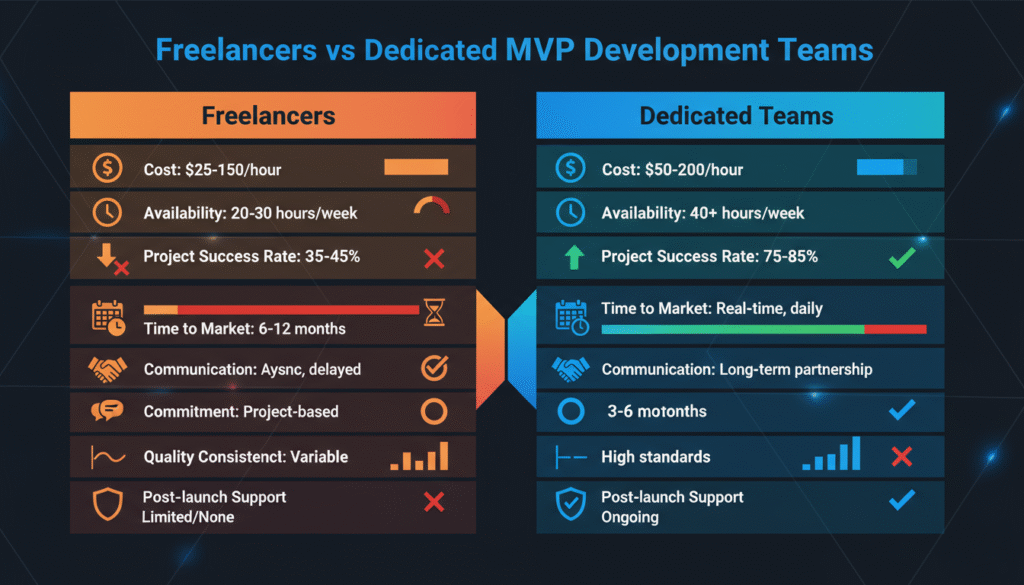
Freelancers vs Dedicated MVP Development Teams
When startups begin planning their Minimum Viable Products (MVPs), one of the first decisions they face is who will build it. At first glance, hiring freelancers may seem cost-effective and easy to manage. However, when compared to a dedicated MVP development team, the difference in quality, reliability, and long-term results becomes very clear.
Let’s break down the key differences between freelancers and dedicated development teams to help you understand which option truly supports your startup’s success.
1. Structure and Collaboration
Freelancers usually work independently. Each person manages their own schedule, communication style, and workflow. If you hire multiple freelancers (for design, frontend, backend, etc.), it becomes your responsibility to coordinate and ensure everyone is aligned. This can lead to communication gaps and inconsistent output.
In contrast, a dedicated MVP development team operates as a single, well-organized unit. Each member—developers, designers, testers, and project managers—collaborates under a shared vision and process. This ensures smooth communication, faster problem-solving, and a more cohesive final product.
2. Accountability and Reliability
Freelancers typically juggle several clients at once. While many are skilled, they might not always prioritize your project, especially if another client offers higher pay or more flexible deadlines. If they disappear mid-project (which happens more often than expected), it can cause severe delays or even project failure.
A dedicated MVP team, on the other hand, is fully accountable for your product’s delivery. Agencies and professional development firms have project management systems, milestone tracking, and contractual obligations to ensure that your MVP is completed on time and meets quality standards.
3. Quality Assurance and Testing
Freelancers often focus on completing tasks quickly, and formal quality assurance (QA) or testing processes are not always included in their workflow. This can result in a product that looks functional at first but fails under real-world conditions.
Dedicated MVP development teams include QA specialists who rigorously test your product for performance, usability, and security. This structured testing process ensures that your MVPs isn’t just built—it’s built right.
4. Long-Term Support and Scalability
Once your MVP is launched, you’ll need ongoing support for bug fixes, updates, and scaling. Freelancers rarely stay available long-term. If you need to make improvements later, you might have to find someone new—and they’ll need time to understand your existing codebase, which can lead to more costs and delays.
A dedicated MVP development team stays with your project from concept to launch and beyond. They understand your product inside out, making it easier to scale, add features, and improve performance as your startup grows.
5. Security and Confidentiality
Freelancers often work on unsecured personal systems without strong data protection measures. This can expose your startup’s idea, data, or intellectual property to unnecessary risk.
Dedicated MVP development teams follow strict security standards and use non-disclosure agreements (NDAs) to safeguard your business information. With them, you can be confident that your idea and data are in safe hands.
6. Cost vs Value
Yes, freelancers may charge less initially—but you often get what you pay for. The lack of structure, QA, and long-term reliability can lead to rework, hidden costs, and even project failure.
Dedicated MVP development teams may seem more expensive upfront, but they deliver higher value by ensuring quality, scalability, and continuous support. In the long run, this saves both time and money, while giving you a product that can attract investors and early adopters.
| Aspect | Freelancers | Dedicated MVP Development Teams |
|---|---|---|
| Cost | Lower upfront cost | Slightly higher but cost-efficient long-term |
| Collaboration | Individual and uncoordinated | Structured teamwork and shared vision |
| Accountability | Limited | High (formal processes and commitments) |
| Quality Assurance | Minimal or none | Comprehensive QA and testing |
| Scalability | Difficult to maintain | Easy to expand and upgrade |
| Security | Riskier, less formal protection | NDA-backed and secure |
| Long-term Support | Often unavailable | Ongoing maintenance and updates |
Final Thoughts
Building MVPs is not just about getting something built quickly—it’s about setting the foundation for your startup’s future success. While freelancers might seem like a cheaper option in the short term, the hidden costs of rework, delays, poor quality, and lack of scalability far outweigh the initial savings.
Startups thrive when they work with teams who share their vision, understand their market, and build with long-term growth in mind. Whether it’s an in-house team, a technical co-founder, or a reliable development partner, investing in the right people ensures that your MVP doesn’t just launch—but lasts.