
In today’s fast-paced real estate market, time is one of the most valuable resources. Real Estae CRM Agents often juggle multiple tasks at once—handling listings, responding to leads, coordinating property viewings, and completing administrative work. This workload can leave little time for strategic thinking or client engagement.
A Customer Relationship Management (CRM) system has emerged as a game-changer in this space. By automating repetitive tasks, centralizing data, and improving communication, CRMs allow agents to focus on high-value activities. In this article, we explore how one real estate CRM helped an agency save 20 hours per week, streamline operations, and boost productivity.
Understanding Real Estate CRM
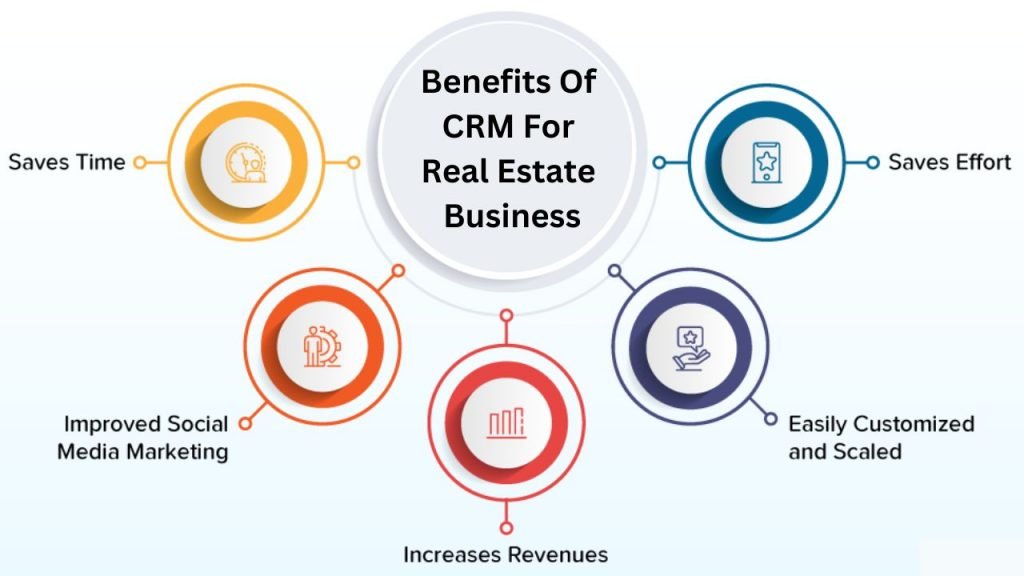
In the competitive world of real estate, managing clients, properties, and business operations efficiently is critical. This is where a Real Estate CRM (Customer Relationship Management) system comes in. Unlike generic CRM software, a real estate CRM is specifically designed to cater to the unique needs of real estate agents and agencies. Its primary goal is to streamline workflows, automate repetitive tasks, and improve overall productivity, allowing agents to focus on closing deals and building strong client relationships. One of the core functions of a real estate CRM is lead management. Leads in real estate often come from multiple sources—websites, social media platforms, advertisements, or referrals.
Another vital component is the property database. A real estate CRM provides a centralized repository for all property-related information, including details such as price, location, size, amenities, and high-quality photos. Agents can also store client preferences alongside these listings, making it easier to match the right property with the right client. This centralization eliminates the need to search through spreadsheets or scattered files, saving valuable time and reducing errors.
Communication tools are another key feature of real estate CRMs. Agents can automate emails, SMS, and follow-up messages, ensuring consistent engagement with leads and clients. Automated communication not only saves time but also builds trust and reliability, as clients receive timely updates and responses without delay. Real estate CRMs also provide analytics and reporting capabilities. These tools offer actionable insights into lead conversion rates, sales performance, and overall agent productivity. By analyzing this data, agencies can identify trends, measure marketing effectiveness, and make informed business decisions that drive growth.
By integrating all these functionalities into a single platform, a real estate CRM eliminates manual, repetitive tasks, minimizes human error, and enables agents to focus on what matters most: cultivating relationships with clients and closing deals. In essence, a real estate CRM is not just a software tool—it is a productivity engine that empowers agents to operate smarter, faster, and more effectively.
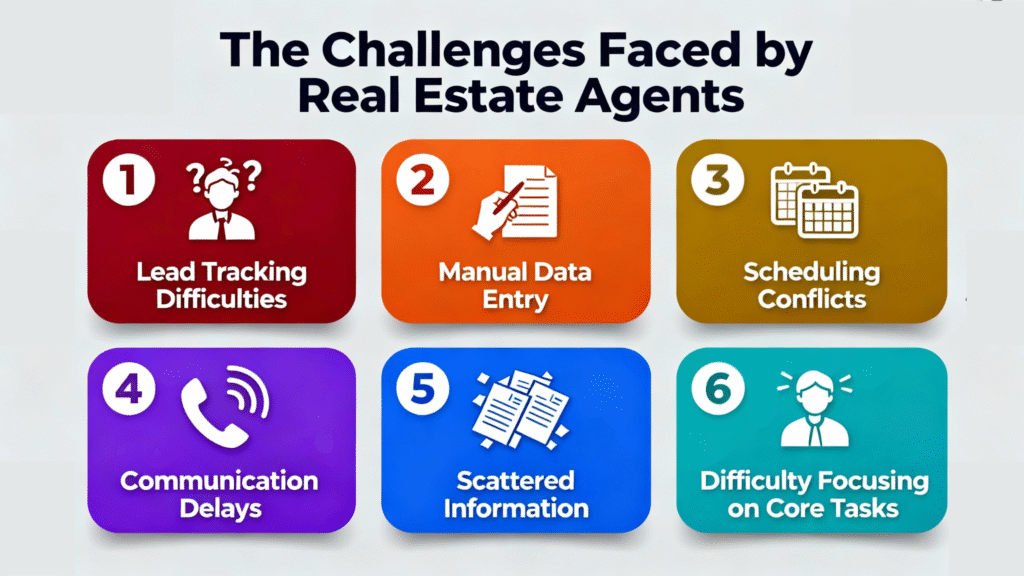
The Challenges Faced by Real Estate CRM Agents
Real estate agents play a vital role in connecting buyers, sellers, and renters — but behind every successful deal lies a series of hurdles that make their job increasingly complex. From managing countless leads to handling administrative work, these challenges drain productivity and limit focus on revenue-generating tasks. Below is an in-depth look at the common obstacles real estate agents face and why addressing them is essential for business growth.
1. Lead Tracking Difficulties
One of the biggest struggles for real estate agents is managing leads that come from multiple sources such as websites, property portals, social media, referrals, walk-ins, and phone calls. Handling these manually quickly becomes overwhelming as the number of prospects grows. Without a centralized CRM (Customer Relationship Management) system, leads can easily go untracked or misplaced. This lack of organization often results in missed opportunities, duplication of efforts, and inconsistent follow-ups with potential clients.
Consequently, agents spend a large portion of their time searching through spreadsheets, emails, and messages instead of engaging with clients or finalizing deals. For example, an agent receiving inquiries from Facebook ads, WhatsApp, and property listing sites like Zameen.com may unintentionally forget to follow up on one of them, losing out on a potential sale worth millions simply because of disorganization.
2. Manual Data Entry
Another major challenge real estate agents face is the burden of manual data entry. They often spend hours entering client details, property information, and meeting notes into spreadsheets or physical records. This repetitive work not only consumes valuable time that could be spent on more productive activities such as property showings or client meetings, but it also increases the chances of human error. A simple mistake in typing a phone number or recording the wrong property details can lead to confusion, client dissatisfaction, or even the loss of trust.
Modern CRM tools and property management systems can help overcome this issue by automatically capturing and syncing data from online forms and portals. Automation ensures that records remain accurate, updated, and easily accessible — saving agents time while improving data quality.
3. Scheduling Conflicts
Managing time efficiently is another area where many real estate agents struggle. They often have multiple showings, client meetings, and internal discussions scheduled within the same day, which can easily lead to double-booking or missed appointments if managed manually. Relying on calls, text messages, or personal notes for coordination not only causes confusion but also reduces professionalism. Smart scheduling tools integrated with calendars can help agents organize their day more effectively by automating appointment bookings, sending reminders, and preventing overlaps.
For instance, a busy agent who uses a manual scheduling method might accidentally set up two property viewings at the same time, leading to embarrassment and a potential loss of client trust. Using an automated calendar system eliminates such risks and allows agents to manage their time with greater accuracy and confidence.
4. Communication Delays
In the real estate industry, timely communication can make or break a deal. However, many agents struggle to keep up with multiple communication channels such as calls, WhatsApp, emails, and social media. Without a proper system in place, it becomes difficult to track conversations, respond quickly, and maintain consistency. Delayed replies often result in clients losing interest or moving on to competitors who respond faster. Integrating communication tools within a CRM system helps solve this problem by providing a single dashboard for all client interactions. It allows agents to view message histories, send automated follow-ups, and ensure that no potential client is left unattended.
5. Scattered Information
Another common issue for real estate agents is the lack of a unified system for storing and managing data. Important client information, property documents, and transaction details are often scattered across emails, spreadsheets, and handwritten notes. This fragmented approach makes it difficult to retrieve critical information when needed and leads to inefficiencies within teams. When multiple team members cannot access up-to-date records, collaboration suffers and productivity declines.
A cloud-based CRM or property management system provides a centralized platform where all team members can access, update, and share information in real time. This ensures transparency, smoother collaboration, and more effective decision-making across the agency.
6. Difficulty Focusing on Core Tasks
Finally, due to excessive administrative work and operational challenges, real estate agents often find it hard to focus on their core responsibilities — such as networking, prospecting, and closing deals. The constant juggling between paperwork, follow-ups, and data entry can lead to burnout, reducing motivation and efficiency.
Agents end up spending more time managing tasks rather than growing their business. The solution lies in adopting technology strategically. By automating repetitive processes and using digital tools for lead management, scheduling, and communication, agents can significantly reduce their administrative workload. This allows them to dedicate more time to relationship-building, strategic planning, and activities that directly contribute to revenue growth.
Time Saving Techniques Enabled by CRM
In the fast-paced real estate industry, time is one of the most valuable assets for agents. Managing multiple clients, properties, and transactions can quickly become overwhelming without the right tools. This is where a Customer Relationship Management (CRM) system becomes a game-changer. A well-implemented CRM not only organizes data but also automates repetitive tasks, allowing agents to focus on revenue-generating activities rather than administrative work. By leveraging CRM features, real estate professionals can streamline their operations, improve client communication, and significantly enhance productivity.
CRMs enable agents to save time through:
- Automated Reminders: Ensures no meetings or follow-ups are missed.
- Bulk Communication: Send personalized messages to multiple clients quickly.
- Digital Document Signing: Eliminates physical paperwork, speeding up transactions.
- Lead Scoring: Prioritize high-value leads efficiently.
- Mobile Access: Manage tasks on-the-go without returning to the office.
By implementing these techniques, agents can spend their saved time on client engagement and sales growth.
Why Time Management is Critical in Real Estate CRM
Agents juggle multiple responsibilities daily — from prospecting and property showings to negotiations and paperwork. Without proper time management, even the most skilled professionals can struggle to stay organized and productive. This is where integrating time management with a real estate CRM becomes essential. A CRM not only helps streamline daily tasks but also ensures that agents allocate their time effectively to high-priority activities that drive business growth. By managing schedules, automating follow-ups, and tracking interactions, CRMs empower agents to work smarter, close deals faster, and maintain stronger client relationships.
Time management is crucial for real estate agents because it directly impacts revenue.
Administrative Burden: Excessive paperwork reduces time available for property showings and business development.
Lead Response Speed: Agents who respond quickly to leads are more likely to close deals.
Client Engagement: Spending more time on clients builds stronger relationships and increases referrals.
Scheduling Efficiency: Poor organization can result in missed appointments and lost opportunities.
Real-World Results
When Thomas Dennis, the Founder and CEO of Altora Global in Brisbane, Australia, reached out to us, his growing real estate company was struggling with time management, manual lead tracking, and scattered client data. Despite having a strong sales team, the lack of automation made daily operations slow and inconsistent — a common challenge in the real estate industry. Thomas needed a smarter solution that could bring everything together under one platform.
That’s when we designed and deployed a custom-built Real Estate CRM — a solution tailored to Altora Global’s specific workflow. The system automated lead tracking, appointment scheduling, and follow-up reminders, transforming the way the team managed its daily operations. Within just a few weeks, Altora Global began to experience measurable results, making this project a true real estate CRM success story.
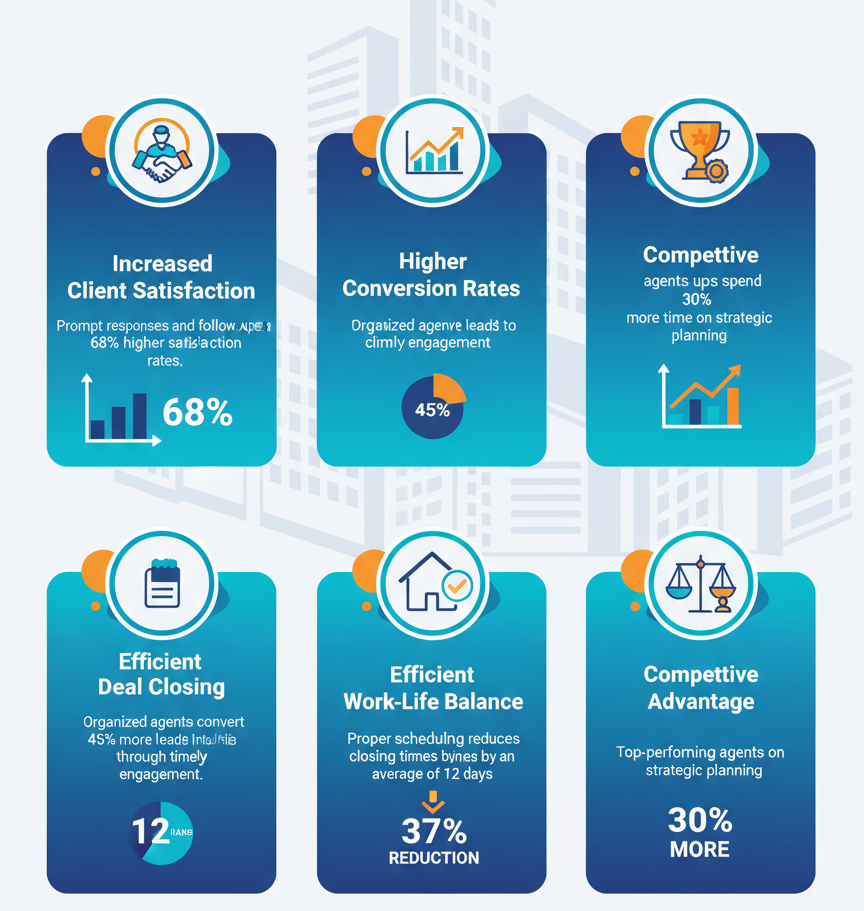
After full implementation, the CRM helped the company save an average of 20 hours per week per agent. Automated processes reduced administrative workload by nearly 50%, while lead response time improved by 45% and overall productivity increased by 35%. These results showcased the real power of CRM for real estate agents — freeing up time for client engagement, negotiations, and business development instead of repetitive tasks.
What began as a time-saving initiative quickly became a complete business automation in property management success. Thomas and his team could now access client data, manage communications, and close deals seamlessly — all from one centralized platform. The CRM became more than just a tool; it became the operational backbone that allowed Altora Global to scale faster, serve clients better, and compete more effectively in a digital-first real estate landscape.
